
Ready. Set. Reverse!
It’s a whole new direction in distinguishing your practice. And doctors all over the U.S. are introducing their patients to the reality of accelerating the reversal of lingering numbness with OraVerse.
OraVerse is the first and only local anesthesia reversal agent that allows you to bring patients back to normal sensation twice as fast. In clinical trials, the median time to recovery of normal sensation in the upper lip was 50 minutes for OraVerse patients vs. 133 minutes for the control group, and in the lower lip was 70 minutes for OraVerse patients vs. 155 minutes for the control.
In fact, in clinical trials, OraVerse patients were also more quickly able to:
- Smile
- Speak
- Drink normally
- Minimize drooling
Market research shows 88% of patients may be interested in receiving a product like OraVerse*. Respondents were aware that a second injection was required and that there may be an extra charge.
*Novalar Research Summary (n=250), Strategic Dental Marketing, Inc., April 2004.
Patient interest in receiving OraVerse
52% Very interested
35% Somewhat interested
10% Not very interested
03% Not at all interested
Soft Tissue Anesthesia
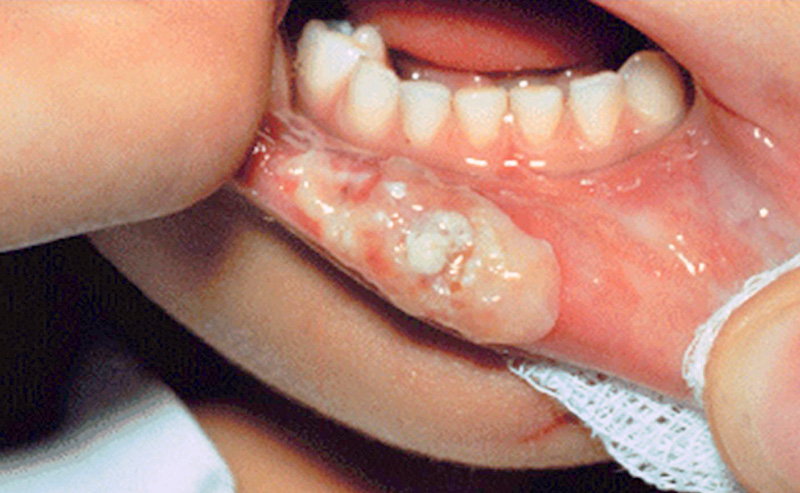
Lingering numbness can be a problem for your patients. Raise their expectations. Patients are surprised to find out that there is finally a solution. With OraVerse, their dental experience can now end with a more rapid return from the lingering effects of local anesthetic with a vasoconstrictor.
Loss of function can mean difficulty with:
- Speaking
- Smiling
- Drinking
Soft tissue anesthesia can lead to:
- Self-inflicted injuries
- Uncontrolled drooling
- Perceived sense of altered appearance
OraVerse in Practice
A solution that’s easy to incorporate
In a time when many new dental technologies require training, equipment and setup time, OraVerse is a solution that fits simply with the way you practice today.
No additional training required
- Same injection site
- Same technique as the local anesthetic
Easy dosing
- 1:1 cartridge ratio to local anesthetic
Maximum recommended dose
- 2 cartridges for adults and adolescents 12 years of age and older
- 1 cartridge for patients 6-11 years of age and over 66 lbs
- 1/2 cartridge for children 6-11 years of age and weighing 33-66 lbs
- In pediatric patients weighing at least 10 kg (22 lbs), the maximum dose of OraVerse recommended is 1/4 cartridge
Ideal for common restorative and periodontal maintenance procedures
- Cavity preparations
- Crown preparations and placement
- Inlays, onlays and veneers
- Non-surgical periodontal scaling and root planing
Safety & Efficacy
See the safety and efficacy
results from clinical trials as
well as clinical pharmacology.
Publications
OraVerse has been featured
and reviewed in leading
journals and publications.
Testimonials
Read what professionals from
the dental community have to
say about OraVerse.
About OraVerse
OraVerse (Phentolamine Mesylate) injection is the first and only local dental anesthesia reversal agent.
OraVerse is indicated for the reversal of soft tissue anesthesia, i.e., anesthesia of the lip and tongue, and the associated functional deficits resulting from an intraoral submucosal injection of a local anesthetic containing a vasoconstrictor. It accelerates the return to normal sensation and function following restorative and periodontal maintenance procedures. In randomized, controlled clinical trials, the median time to recovery of normal sensation in the upper lip was 50 minutes for OraVerse patients vs 133 minutes for the control and in the lower lip was 70 minutes vs 155 minutes. Use in pediatric patients less than 3 years of age or <15 kg (33lbs) has not been established.
The most common adverse reaction with OraVerse is injection-site pain.
Important Safety Information
Tachycardia, bradycardia, and cardiac arrhythmias may occur with the use of phentolamine or other alpha-adrenergic blocking agents. Although such effects are uncommon with OraVerse (phentolamine mesylate), clinicians should be alert to the signs and symptoms of these events, particularly in patients with a history of cardiovascular disease. Following parenteral use of phentolamine at doses between 5 to 15 times higher than the recommended dose of OraVerse, myocardial infarction, and cerebrovascular spasm and occlusion have been reported, usually in association with marked hypotensive episodes producing shock-like states.